
In an era where superhero films become global phenomena and fandoms erupt faster than you can say “limited edition,” pop culture merchandise has evolved into a multi-billion-dollar industry that fascinates collectors and casual fans alike. From quirky Funko Pops to trendy clothing collaborations, this guide will explore the tapestry that is pop culture merchandise, making sense of why people will spend a fortune on a pair of themed socks. Get ready to dive deep into the weird, wonderful world where fandom meets consumerism.
Understanding Pop Culture Merchandise
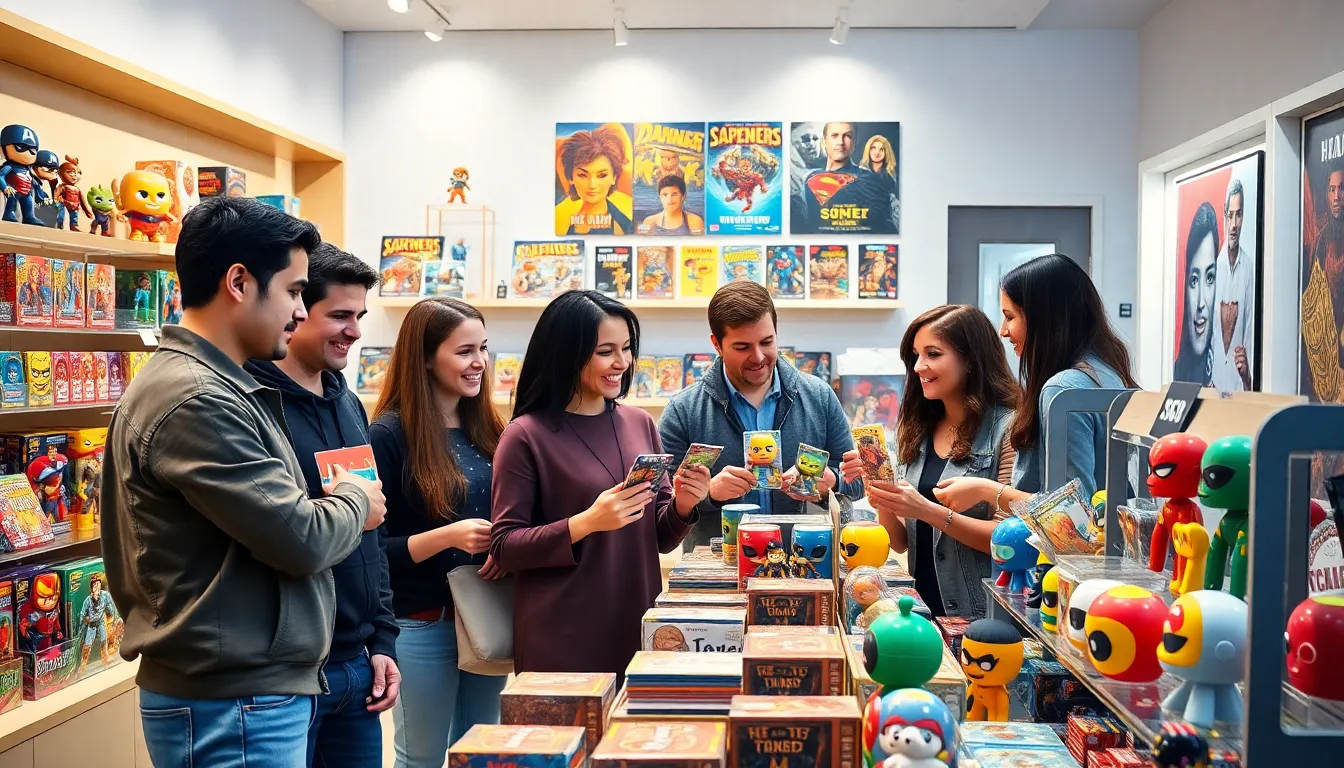
Pop culture merchandise encapsulates items inspired by popular entertainment and cultural phenomena. Think movies, TV shows, music, and even memes that spark joy and ignite conversations. These products range from action figures and collectible trading cards to unusual kitchen gadgets that showcase fandom in everyday life. Essentially, it’s a tangible way for fans to express their love for their favorite franchises.
What makes this merchandise particularly interesting is its emotional appeal. Collectors often connect deeply with the content of their fandoms, making the act of acquiring these items feel more like a hobby than mere consumption. Let’s just say, when a new Marvel movie drops, the rush to grab that exclusive collectible merchandise can resemble a Black Friday sale on steroids.
The Evolution of Pop Culture Merchandise
In the beginning, there were simple action figures and T-shirts emblazoned with catchy quotes, often aimed at children. Fast forward a few decades, and now, pop culture merchandise has morphed into a complex industry with profit margins that even accountants would get excited about. The 1980s introduced a new era, where toy lines linked seamlessly to blockbuster films, thanks largely to companies like Kenner and Hasbro who capitalized on the marketing potential.
The 1990s saw the rise of comic book-based merchandise, further pushing boundaries and giving rise to collectibles that only a few had access to until the internet emerged. With online shops and auctions, fans could now connect with a global market. Today, we find ourselves in an age where everything from limited-edition sneakers inspired by video games to high-fashion lines combined with cinema find their way into the homes of fans, blending the line between art and commerce.
Types of Pop Culture Merchandise
When it comes to pop culture merchandise, the options are virtually endless. Here’s a look at some popular categories:
Clothing
Graphic tees and themed attire are staples in any fan’s wardrobe. Bands, TV shows, and movies often release seasonal collections or limited runs that keep fans buzzing.
Collectibles
Action figures, Pop. Vinyl, and trading cards form the backbone of many collections. Limited runs and exclusives make these items even more treasured.
Home Decor
From wall art to funky kitchen items, home decor merchandise allows fans to showcase their obsessions without sacrificing living space aesthetics.
Tech Gadgets
Whether it’s a themed phone case or smartphone accessories, pop culture influences every corner of consumer electronics. Fans can immerse themselves in their favorite universes while staying connected.
Experience-Based Merchandise
Think about the magic of special events like conventions. Ticket sales for fandom-based expos or themed virtual reality experiences have become as collectible as the items sold.
The Impact of Social Media on Pop Culture Merchandise
Social media platforms have revolutionized not just how merchandise is marketed, but also how fans interact with it. Platforms like Instagram and TikTok allow companies to showcase new merchandise directly to the consumer. Incentivized by trending hashtags and viral challenges, fans can find out about new releases almost instantly.
Also, the rise of influencers and dedicated content creators has transformed the way merchandise gains visibility. A well-timed collaboration with a popular YouTuber can generate buzz that traditional advertising could only dream of. These influencers often share their unboxing experiences or aesthetic store hauls, leading to shorter product life cycles and an exciting rush to grab the latest must-have merchandise.
Collecting Pop Culture Merchandise
For many, collecting pop culture merchandise is more than just a pastime: it’s a passion that turns into an investment. Online auctions like eBay provide an avenue for enthusiasts to find limited edition or out-of-print items, and dedicated fan communities often spring up to help exchanges and discussions.
But, it can be an overwhelming world. New collectors are encouraged to set personal boundaries, deciding what qualifies as a must-have versus a fleeting whim can save both time and money. Tracking value trends, maintaining pristine conditions, and engaging with other collectors can turn what might seem like a hobby into a fulfilling try.
The Future of Pop Culture Merchandise
As technology further intertwines with culture, the future of pop culture merchandise looks promising. Augmented Reality (AR) is already changing the landscape, allowing fans to visually interact with their favorite items before purchase. Also, sustainability will increasingly shape consumer decisions, pushing businesses to engage in eco-friendly practices.
Plus, collaborations between brands are set to explode. Expect more cross-industry partnerships blending film, fashion, and technology. Think of a video game with exclusive merchandise co-opting with a fast-food chain for collectible toys. It’s the potential for unique products that keeps fans excited.

