
Pop culture music is more than just catchy tunes that make you want to dance: it’s a mirror reflecting the ever-changing landscape of society. From the disco ball’s dazzling lights to the heart-thumping bass of modern hits, music encapsulates the triumphs, struggles, and quirky moments of life. So, buckle up as we take a hilarious and enlightening journey through the vibrant world of pop culture music and its evolution.
The Evolution of Pop Culture Music
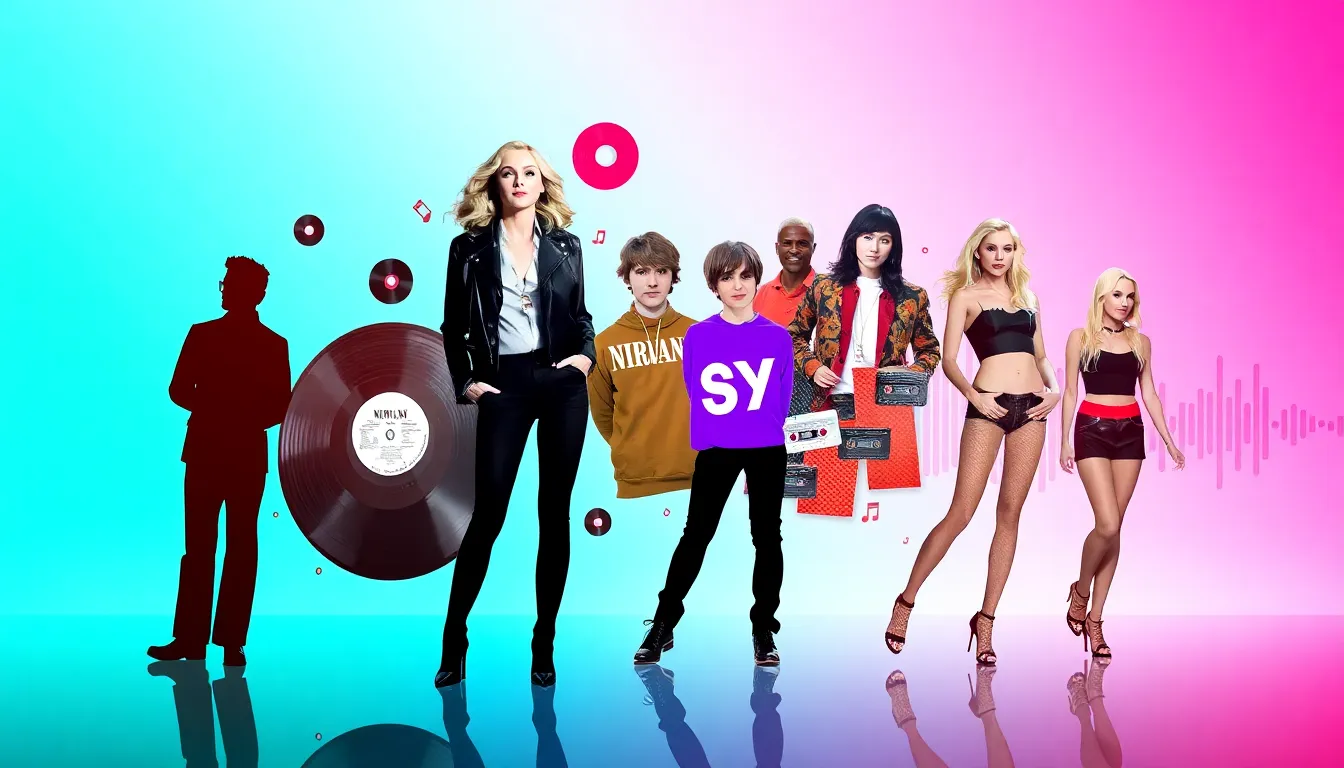
Pop music has undergone a dazzling metamorphosis over the decades, morphing into a vibrant tapestry that reflects societal changes, technological advancements, and cultural shifts.
Key Eras in Pop Music History
In the 1950s, rock and roll took center stage, introducing legends like Elvis Presley. Teenagers embraced the rebellious spirit that shook the conventional norms of music. Fast forward to the 1980s, when artists like Madonna and Michael Jackson ruled the charts, fusing music with fashion and theatrics in ways that captivated the world.
The 90s served as a funky blend of grunge and boy bands, with Nirvana and *NSYNC battling for the hearts of listeners. With the dawn of the 2000s, a new sound emerged, dominated by pop princesses like Britney Spears and Christina Aguilera. Each era not only brought a distinct sound but also echoed the feelings and thoughts of the times, making pop music a vital cultural artifact.
Influential Artists Who Shaped Pop Music
A handful of artists have left indelible marks on pop music that continue to resonate today. Think of icons like Prince, whose fusion of funk and rock altered the pop landscape. His unparalleled creativity set the bar high for artistic expression.
Then there’s Whitney Houston, whose vocal prowess showcased the depth of emotion possible within the genre. Her rendition of “I Will Always Love You” remains a benchmark for aspiring singers. Likewise, the emergence of stars like Lady Gaga illustrates the importance of identity and acceptance, further enriching the sonic palette of pop culture.
The Impact of Technology on Music Consumption
As technology evolved, so did the way audiences consumed music. From vinyl to cassette tapes, then CDs, and now streaming services, each transformation contributed to how pop culture music spreads and influences society.
Cultural Influences and Trends in Pop Music
Streaming has democratized music distribution, allowing emerging artists to break into the scene without the backing of major labels. Playlists on platforms like Spotify and Apple Music often dictate what tunes dominate the airwaves. This technological shift has also given rise to eclectic collaborations, blending genres in ways previously thought impossible.
Globalization and the Rise of International Artists
In today’s interconnected world, pop culture music doesn’t just belong to one country or culture. Globalization has ushered in a new era where international artists gain massive followings, often challenging traditional notions of “pop.”
The Role of Social Media in Music Promotion
Platforms like TikTok and Instagram serve as launchpads for viral songs, propelling artists from obscurity to superstardom in the blink of an eye. Case in point: Lil Nas X’s “Old Town Road” took the internet by storm, demonstrating how social media catalyzes trends in music and culture.
Future Trends in Pop Culture Music
Looking ahead, the landscape of pop culture music is primed for even further evolution. As listeners become more conscious of social issues, music reflecting those changes will take center stage. Expect to see artists using their platforms to discuss matters like climate change, social justice, and mental health.
Also, genres will likely continue to blend, creating new sounds that challenge traditional definitions of pop. Imagine a world where K-pop choruses mesh flawlessly with Latin rhythms and R&B beats, a musical utopia.

